Key Takeaways
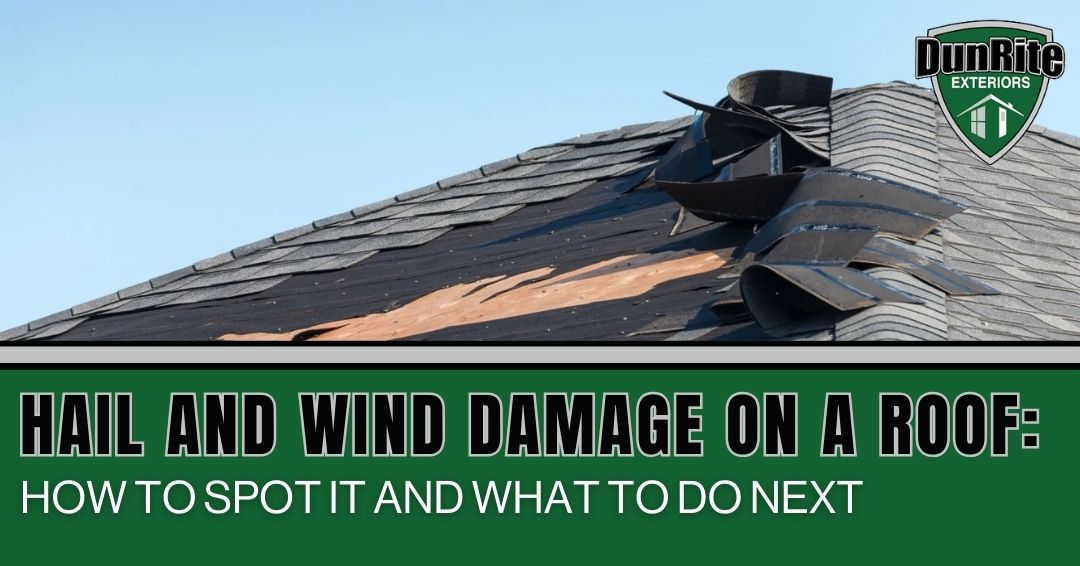
After a storm passes through Cleveland, your roof may have damage you can’t see from the ground. This guide helps you identify hail and wind damage, document it properly, and take the right next steps.
- Hail damage appears as random dents with exposed granules and soft spots on shingles
- Wind damage shows up as lifted, curled, or missing shingles in patterns
- Check gutters and downspouts first—they’re safer to inspect from ground level
- Document everything with photos and notes immediately after the storm clears
- Get a professional inspection before filing an insurance claim
Why This Matters Right Now
Roof claim costs jumped nearly 30% from 2022 to 2024, reaching $31 billion nationwide. Wind and hail account for more than half of all residential claims.
Insurance companies now use drones, satellite imaging, and AI to assess damage. They’re raising deductibles and requiring stricter documentation. You need clear evidence to support your claim.
Here’s what makes this urgent: roofs in moderate to poor condition have 60% higher loss costs during severe weather. If your roof is over 20 years old, insurers view it as high-risk because you’re more likely to file claims.
In this guide, you’ll learn how to identify both hail and wind damage from ground level, what to document immediately after a storm, and when to call in a professional. We’ll walk you through the specific signs to look for and the exact steps to take to protect your home and insurance claim.
How to Identify Hail Damage
Start with what you can see from the ground.
Walk around your property and look for dents on metal surfaces. Check your gutters, downspouts, air conditioning units, and mailbox. If hail dented these items, it likely damaged your roof too.
Look for granule loss in your gutters.
Hail strips the protective granules off asphalt shingles. If your gutters are clogged with what looks like coarse sand, that’s a red flag. These granules protect your roof from UV rays and weather. Without them, your shingles age faster.
Understand what size hail causes damage.
It typically takes a 1-inch or larger hailstone to cause visible damage to asphalt shingles. But recent research shows that smaller hail—less than 1 inch—can reduce your roof’s resistance to future storms and speed up aging.
Multiple small hail events add up over time.
Know what hail damage looks like on shingles.
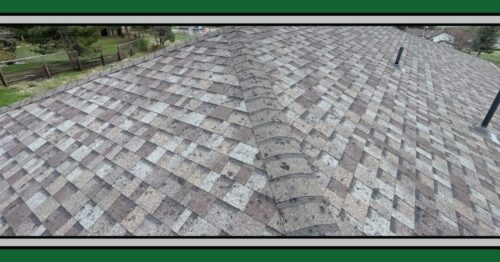
If you can safely view your roof from a second-story window or ladder (without climbing on the roof), look for:
- Random damage with no clear pattern
- Dark spots where hail knocked off granules
- Shiny areas where the asphalt shows through
- Exposed black felt underneath the shingles
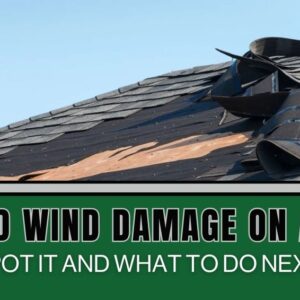
How to Identify Wind Damage
Wind damage follows patterns.
Unlike hail, wind damage appears in specific areas. High winds hit roof edges, corners, and ridges hardest. Look for damage concentrated in these spots.
Check for these wind damage signs:
- Shingles that are lifted, curled, or creased
- Missing shingles or tabs
- Shingles that look wrinkled or wavy
- Exposed underlayment or roof deck
- Loose or damaged flashing around chimneys and vents
Look at your neighbors’ roofs.
If several homes on your street show visible damage, your roof probably took a hit too. Storm damage often affects entire neighborhoods.
What to Do Immediately After a Storm
First priority is to stay safe.
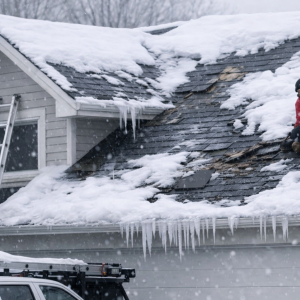
Wait until the storm completely clears before going outside. Don’t climb on your roof. It is at its least structurally sound right after severe weather, and you could cause more damage or hurt yourself.
Document everything from ground level.
Take photos and videos of:
- Your entire roof from multiple angles
- Damaged gutters, downspouts, and vents
- Any visible shingle damage
- Debris in your yard
- Dents on metal surfaces
Write down the date, time, and weather conditions. Note any details about the storm: hail size, wind speed if you know it, and duration of the storm.
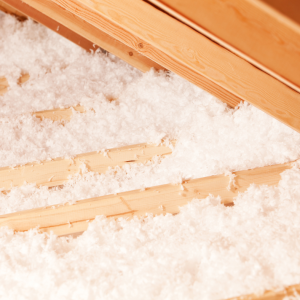
Check your attic if you can access it safely.
Look for water stains, wet insulation, or daylight coming through the roof deck. These are signs of roof damage that need to be addressed quickly.
Why You Need a Professional Inspection
Some damage hides in plain sight.
Trained professionals spot problems you’ll miss. They know where to look and what subtle signs mean. Early detection prevents small issues from becoming expensive repairs.
A professional inspection gives you:
- A detailed assessment of all damage
- Documentation that supports your insurance claim
- An estimate of repair or replacement costs
- Peace of mind about your roof’s condition
Timing matters.
Most insurance policies require you to report damage promptly. Waiting too long can complicate your claim or lead to denial. Get an inspection within days of the storm, not weeks.
What Happens Next
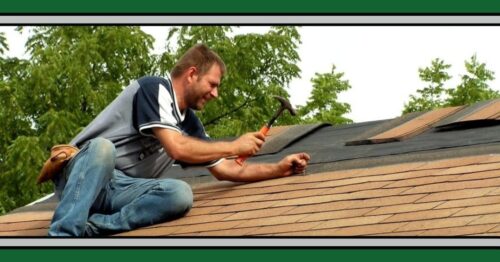
Your insurance company will send an adjuster.
They’ll inspect your roof and determine what’s covered. Having your own professional inspection report helps ensure nothing gets missed.
Remember: insurance covers sudden storm damage, not wear and tear. If your roof was already in poor condition, some damage may not be covered.
Repair costs vary widely.
The average roof repair in 2025 ranges from $750 to $1,147, though costs can exceed $2,500 for extensive damage. Emergency repairs during storms typically cost 25-50% more than routine fixes.
Widespread damage usually means replacement makes more sense than repair.
Get Expert Help from DunRite Exteriors
DunRite Exteriors has served Cleveland homeowners for over 40 years. We handle storm damage repair and work directly with insurance companies to simplify the claims process.
We offer free roof inspections after severe weather. Our team documents damage thoroughly and helps you understand your options.
Contact DunRite Exteriors today for a professional roof inspection. We’ll give you straight answers about your roof’s condition and help you protect your home.
Frequently Asked Questions
How soon after a storm should I get my roof inspected?
Get an inspection within a few days of the storm. Most insurance policies require prompt reporting of damage. Early inspection also prevents small problems from getting worse.
Will my insurance cover hail and wind damage?
Most homeowners’ insurance policies cover sudden storm damage from hail and wind. They don’t cover damage from wear and tear or lack of maintenance. Your adjuster determines what’s covered based on your specific policy.
Can I inspect my roof myself?
You can check for obvious signs from the ground, but don’t climb on your roof. It’s dangerous, and you might cause more damage. A professional inspection identifies hidden problems you might miss and provides documentation for insurance claims.
What if I don’t see any obvious damage?
Get a professional inspection anyway. Hail and wind damage isn’t always visible from the ground. Small impacts add up over time, reducing your roof’s ability to withstand future storms. Early detection saves money.
How long does a roof inspection take?
A thorough professional inspection typically takes 30-60 minutes, depending on the size and complexity of your roof. The inspector will check your entire roof, attic, and exterior for signs of damage.